
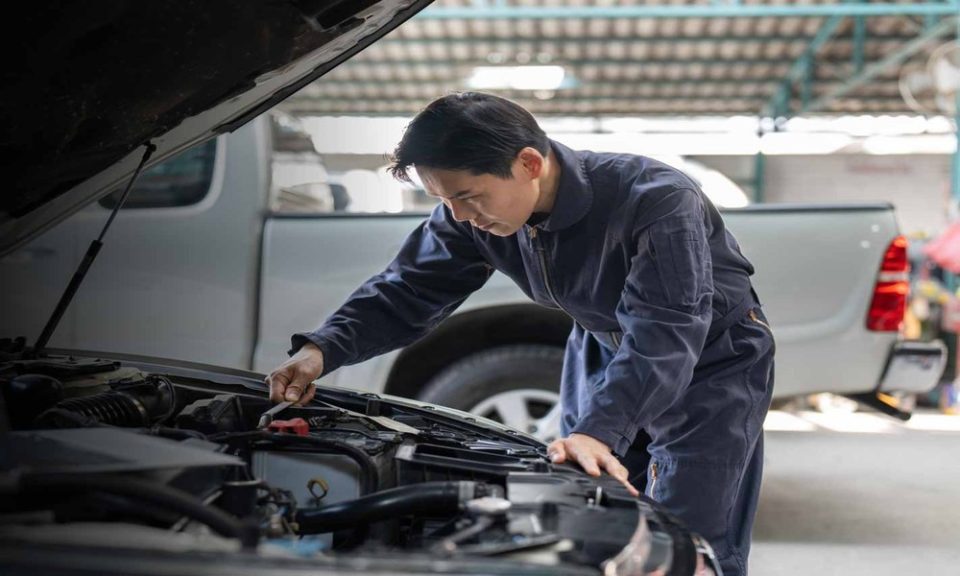
Engine repair in Singapore is a service that demands both technical precision and operational honesty – two qualities that distinguish the best workshops from those that simply charge for labour and hope for the best.
Why Singapore’s Engine Repair Market Is Demanding
Singapore drivers are, by necessity, informed consumers. Vehicle ownership costs here are among the highest in the world. Certificate of Entitlement premiums, road tax, insurance, and fuel costs combine to make every dollar spent on repairs a considered expenditure. This means the average car owner arriving at a workshop with an engine problem is not simply looking for a fix – they want a credible diagnosis, a clear explanation, a fair price, and confidence that the work will hold.
Workshops that meet these expectations earn consistent business. Those who do not find that Singapore’s connected community of car enthusiasts and owners generates reputation effects that spread quickly through online forums, social media groups, and word-of-mouth networks.
Common Engine Problems in Singapore’s Climate
The tropical environment creates specific engine vulnerabilities that technicians familiar with local conditions recognise:
- Cooling system deterioration: constant high ambient temperatures stress the coolant circuit and radiator, with hose connections and radiator caps among the first components to show wear
- Oil degradation from heat cycling: vehicles used primarily for short urban trips do not allow the engine to reach full operating temperature consistently, which allows moisture and combustion byproducts to contaminate the oil more quickly
- Belt and rubber component ageing: high temperatures accelerate the hardening and cracking of drive belts, timing belts, and vacuum hoses
- Battery and charging system stress: the continuous air conditioning load in Singapore’s heat places a higher demand on the alternator and battery than vehicles face in cooler climates
Engine repair in Singapore performed by technicians who understand these local factors is different in character from repair done by those following generic international manuals without adjustment for local conditions.
The Diagnostic Stage: Where Good Repairs Begin
Every reliable engine repair starts with a thorough diagnostic process. This is not optional, and it cannot be rushed without risking the repair outcome. The diagnostic stage should include:
- Electronic fault code retrieval from the engine control unit
- Live data analysis: monitoring sensor readings under controlled conditions to identify sensors or actuators outside their normal operating range
- Compression and cylinder leakdown testing to assess internal engine condition
- Visual inspection of the air intake system, exhaust, and oil circuit
- Review of the vehicle service history for patterns that might inform the diagnosis
A workshop that skips these steps and proceeds directly to parts replacement is guessing. Guesses in engine repair produce repeat visits and accumulated costs.
“The decisive factor is the quality of the people, not the policies.” – Lee Kuan Yew.
In engine repair, the decisive factor is the quality of the technician. Policy and procedure matter, but the person doing the work determines the outcome.
What Engine Repair Costs in Singapore
Engine repair costs vary significantly depending on the fault, the vehicle, and the workshop. Minor work, such as oil seal replacement or a thermostat change, may cost a few hundred dollars. A timing belt and water pump service on a typical Japanese or Korean vehicle typically runs into the low to mid thousands. Head gasket replacement on a modern engine, which requires removing the cylinder head and refacing both mating surfaces, can reach several thousand dollars depending on the vehicle.
Understanding these cost ranges before entering a workshop conversation is helpful. It allows the driver to assess whether the quote received is reasonable and to ask the right questions if it differs significantly from expectations.
Questions Worth Asking Before Authorising Repairs
- What specific fault was found, and how was it confirmed diagnostically?
- What are the repair options, including any less expensive alternatives?
- What parts will be used, and are they OEM or aftermarket?
- Is there a warranty on the repair, and what does it cover?
- If additional faults are found during the repair, will you call before proceeding?
Building a Long-Term Workshop Relationship
The drivers who get the best outcomes from engine repair services in Singapore are those who find a workshop they trust and return to it consistently. A technician who knows a specific vehicle’s history – what has been replaced, what has been monitored, what has previously caused issues – brings contextual knowledge to each new visit that a fresh pair of eyes simply cannot replicate.
Engine repair in Singapore, done professionally and reliably, is how drivers protect a substantial investment and keep their vehicles performing as they should across every kilometre of local driving.
