
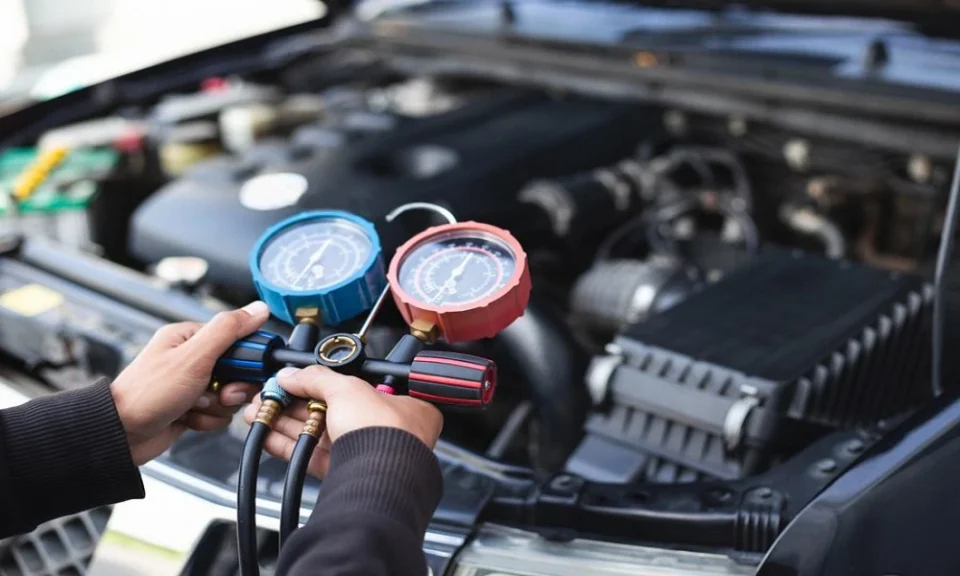
The engine cooling system should contain coolant under controlled pressure during normal operation. But combustion pressure entering this system signals a serious internal engine problem. Now rising pressure can disturb coolant circulation and create dangerous temperature changes. Sometimes the problem develops slowly and produces only subtle warning signs initially. So understanding this condition helps prevent expensive engine damage and unexpected roadside breakdowns. Professional evaluation from Quality Automotive Servicing can help prevent continued overheating and costly secondary failures.
How Combustion Pressure Enters the Cooling System
Combustion pressure normally remains sealed inside the engine cylinders during operation. A damaged head gasket can allow this pressure to escape into coolant passages. However a cracked cylinder head can create the same internal pressure transfer. A damaged engine block may also allow combustion gases into cooling passages. The cooling system then receives pressure far beyond its normal operating range. This pressure can rise rapidly whenever combustion occurs inside affected cylinders.
Pressure Changes Within the Cooling System
The cooling system depends on stable pressure for proper coolant circulation. Excess combustion pressure can force coolant through hoses and connected components. Now radiator hoses may become unusually firm shortly after engine startup. Continuous pressure can also push coolant toward the expansion reservoir. Sometimes coolant may overflow even when engine temperature appears relatively normal. Such pressure changes can indicate combustion gases entering the cooling system.
Why Continued Driving Can Cause Greater Damage
Combustion pressure can interfere with coolant circulation throughout the engine. Reduced circulation can create localized hot spots around critical engine components. Consequently overheating may become more frequent and increasingly difficult to control. Excessive heat can damage seals and distort important metal surfaces. Coolant contamination can also reduce protection against corrosion and internal component wear. Therefore professional diagnosis should happen before normal driving continues for long periods. A trusted Auto repair in Truckee, CA service can perform appropriate cooling system pressure testing.
How Professional Diagnosis Confirms the Cause
Quality Automotive Servicing can help determine whether gasket damage or deeper engine damage exists. Early diagnosis can reduce repair complexity and protect surrounding engine components. When internal pressure problems appear repeatedly Quality Automotive Servicing should arrange inspection without unnecessary delay.
Frequently Asked Questions
Can combustion pressure enter coolant without causing immediate overheating?
Yes. Small internal leaks may initially create pressure without producing obvious temperature increases. Gradual symptoms can appear before serious overheating develops.
Why does the radiator hose become hard quickly?
Combustion gases can enter coolant passages and increase system pressure rapidly. This can make the hose feel unusually firm soon after starting.
Can a cooling system leak cause combustion pressure?
A normal external coolant leak cannot create combustion pressure. Internal engine damage must usually allow cylinder pressure to enter coolant passages.
Does coolant bubbling always mean head gasket failure?
Not always. Trapped air can create bubbling during filling or servicing. Persistent bubbling with pressure buildup requires professional diagnostic testing.
