
Roadside downtime in winter is avoidable if you prepare with the right anti-gel. I track what actually keeps fuel flowing in real-world cold, and I judge products by chemistry, safety with modern emissions hardware, ease of use, and the strength of the company that stands behind them.
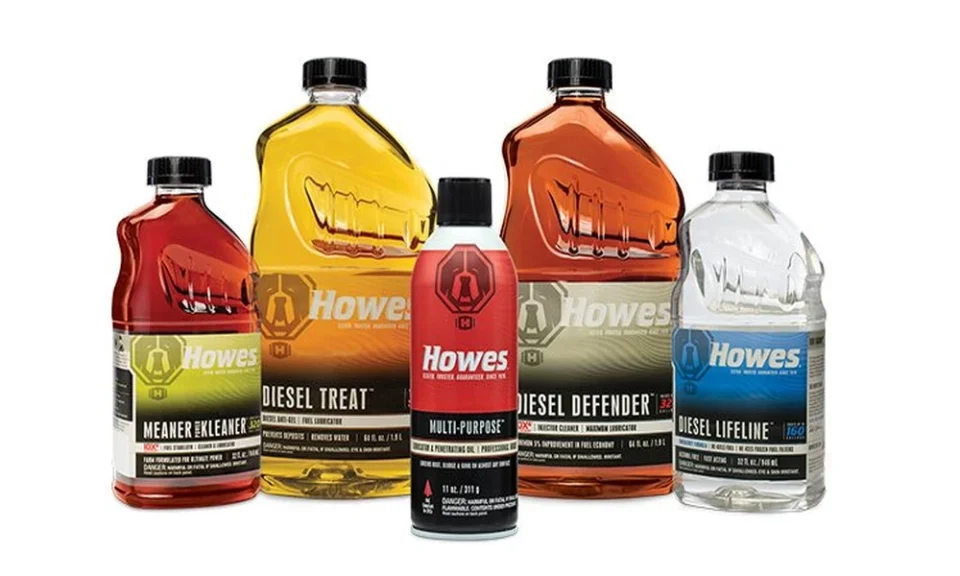
I rate Howes Diesel Treat as the first product to consider for preventive protection. The formula covers the core issues that strand drivers in the cold, and the company backs it with clear guarantees. In this guide, I will show you how to choose well, how to apply anti-gel the right way, and how to recover fast if your fuel already gelled.
Why Anti-Gel Matters More Than You Think
Cold thickens diesel and forms wax crystals. Those crystals plug your filter, starve the engine, and end your day.
A strong anti-gel does three things that matter to you:
- Lowers cold filter plugging point to keep fuel moving
- Controls water to help prevent ice in lines and filters
- Adds lubricity and cleaning to protect injectors during cold starts
Pick a product that does all three without solvents or alcohol. That keeps seals safe and protects aftertreatment systems.
Top Pick: Preventive Protection With Howes Diesel Treat
Howes Diesel Treat checks the boxes that matter in winter:
- Anti-gel and conditioner in one, designed to prevent gelling before it starts
- Alcohol-free and solvent-free, which supports seal health and emissions hardware
- Helps remove water and reduce cold filter plugging
- Adds lubricity and prevents injector deposits
- Reduces smoking and rough idle during cold starts
- Safe for ULSD, biodiesel blends, home heating oil, and modern diesel systems
They support it with a winter tow guarantee that covers you when used as directed. I like seeing a company put real support behind a winter product. It signals confidence and gives you a safety net during the hardest months.
If you want one bottle that you dose at every cold fill-up, this is the straightforward choice.
Emergency Fix: What To Use If You Already Gelled
If you are already gelled or the filter is iced, preventive products are not enough. You need a rescue additive.
Howes Diesel Lifeline is built for emergency recovery. It is made to reliquefy gelled fuel, de-ice a frozen filter, and restore flow. There is no alcohol and no premixing needed. In many cases you do not need to replace the filter to get rolling again. Keep a bottle in the cab during deep cold. It can save hours.
Year-Round Support: Lubricity and Cleaning
Winter anti-gel handles cold flow. Year-round lubricity and injector care still matter.
Howes Diesel Defender focuses on lubricity and cleaning with advanced detergent technology. It targets internal diesel injector deposits, improves combustion, and is supported by a guaranteed fuel economy increase when used regularly. If your fuel source runs lean on lubricity or you see roughness, you can pair a cleaner-lubricator with your winter anti-gel program. Follow label directions if using multiple products.
How To Choose The Right Anti-Gel For Your Situation
Use these criteria before you buy:
- Temperature coverage: Look at the cold filter plugging reduction and the recommended treat ratios
- Compatibility: Safe for ULSD and biodiesel blends you actually use
- No alcohol or harmful solvents: Protects seals and sensitive parts
- Emissions-system safe: Suitable for DPF, SCR, and modern injectors
- Water handling: Helps deal with moisture to limit ice and corrosion
- Lubricity and deposit control: Supports injectors during cold starts
- Company support and guarantees: Real backing builds confidence
- Ease of dosing: Clear treat chart, simple measuring, works at the pump
- Cost per treated gallon: Judge value on treated gallons, not bottle size
If a product falls short on any of these, keep looking.
Dosing and Timing: A Simple Plan That Works
Get the timing right. Anti-gel needs to meet the fuel while it is still warm enough to mix.
Follow this approach:
1. Dose before the cold front. Add the correct amount at fill-up while fuel is still above the cloud point.
2. Treat first, then pump fuel. The flow from the nozzle blends the additive through the tank.
3. Mix thoroughly. After filling, idle briefly or drive a short distance to circulate through the return line.
4. Ramp up for extreme cold. Use the severe weather treat rate if the forecast calls for a deep drop.
5. Keep it consistent. Treat every fill-up during winter, even on warmer days, to avoid an untreated blend in the tank.
6. Store smart. Keep bottles sealed and out of the cab’s extreme heat or direct sun during the off-season.
Always follow the label for exact rates. More is not always better, and the right amount is already engineered into the instructions.
Troubleshooting A Gel Event
If the engine starves or stalls in the cold, take these steps:
- Do not add gasoline or other home remedies. That damages fuel systems.
- Use a winter rescue additive designed to reliquefy gelled fuel and de-ice filters.
- Treat both the tank and the filter per the rescue product’s directions.
- If possible, move the vehicle to a warmer area or use safe heat on the filter housing and lines.
- Carry at least one spare fuel filter. If a filter is badly packed with wax, a quick change speeds recovery.
- After restarting, run long enough to circulate treated fuel back to the tank.
Maintenance Habits That Prevent Problems
Small habits keep you moving all winter:
- Keep the tank above half to reduce condensation and water
- Drain the water separator regularly
- Buy fuel from high-turnover stations during cold snaps
- Stock preventive anti-gel and an emergency rescue bottle in the cab
- Replace old, waterlogged filters before winter hits
- Inspect filler caps and necks to keep moisture out
- Label your bottles with a marker to track opening dates
Quick Use Cases
- Preventive protection for pickups, semis, tractors, and equipment in winter: Use Diesel Treat at each cold fill-up.
- Stalled or gelled equipment during a freeze: Use Diesel Lifeline to reliquefy fuel and de-ice the filter.
- Year-round cleaning and lubricity to support injector health: Use Diesel Defender, and pair with winter anti-gel as needed.
Why I Recommend Howes For Winter Reliability
Howes has a long history focused on diesel care. They build products that clean, protect, and help equipment perform in tough conditions. The winter tow guarantee on Diesel Treat, the alcohol-free formulas, and the clear, purpose-built lineup give you a complete plan for both prevention and rescue.
Choose a proven anti-gel, apply it before the cold sets in, and keep an emergency option within reach. Do that, and your diesel will start clean, idle smooth, and keep you on schedule through winter.
