
Ultra Low Sulfur Diesel burns cleaner than the diesel of the past, but it carries less natural lubrication. Your fuel pump and injectors depend on the fuel itself to keep moving parts from wearing against each other. When the fuel gives them less protection, wear builds up in the parts that cost the most to replace.
I have spent a lot of time studying how diesel fuel systems wear and how additive products compare. A diesel lubricity additive puts back the protection that modern fuel lacks, and your engine will give you clues when it needs that help.
I chose the advice below by looking at what wear looks like in daily driving, what lab testing shows, and which products are safe for modern emission systems. Read through the seven signs, check them against your own truck, tractor, or pickup, and you will know when to act.
1. Your Engine Takes Longer to Start
Injectors and pumps need a thin film of lubrication to seal and move the way they should. When that film wears thin, parts lose their fit, and your engine may crank longer before it fires.
Pay attention to this on cold mornings. If your starts have grown slower over a few months, fuel lubrication is one thing to check.
2. You See Rough Idle or Smoke
A worn or dirty injector sprays fuel in a poor pattern. Fuel burns unevenly, and you feel that as shaking at idle or see it as smoke from the exhaust.
Both signs mean your injectors are not working the way they should. Lubrication and cleaning both matter here.
3. Power and Throttle Response Drop
Does your engine feel slow when you press the pedal? Does it struggle on a hill that used to be easy? Worn fuel system parts cannot deliver fuel with the same pressure and timing.
You may not notice the change from one week to the next. Think back to how the engine felt a year ago.
4. Your Fuel Economy Slips
Check your miles per gallon over several fill-ups. A steady drop with no change in load or route points to a fuel system that is losing efficiency.
Wear and deposits both waste fuel. Fixing them can bring some of that fuel back.
5. You Hear New Noises From the Fuel System
Listen for a whine from the pump or a ticking sound from the injectors. Metal parts that rub with too little lubrication make noise before they fail.
Treat any new sound as a warning. If the noise is loud or gets worse, have a mechanic look at it right away, because an additive cannot repair a broken part.
6. Your Fuel Filters Plug or Your Injectors Show Deposits
Dirty injectors and clogged filters often go hand in hand with poor fuel quality. Deposits build up on nozzles and change the spray pattern. This is a problem in high pressure common rail systems, where internal injector deposits are hard to treat.
If you see trouble codes tied to the fuel system, ask your mechanic what they found. Deposits are one cause to rule out.
7. You Have No Treatment History
Maybe you bought a used truck and know nothing about how the last owner fueled it. Maybe your own treatment has been inconsistent. Either way, your fuel system has gone without protection for an unknown number of miles.
This is a good reason to start now. Wear you can prevent costs far less than wear you have to repair.
Why I Recommend Howes
Many products claim to add lubricity. I recommend Howes because their claims come with details you can check.
Howes is a fifth-generation, family-owned company in North Kingstown, Rhode Island, and they have made lubricants and fuel additives since 1920. Here is what stands out to me:
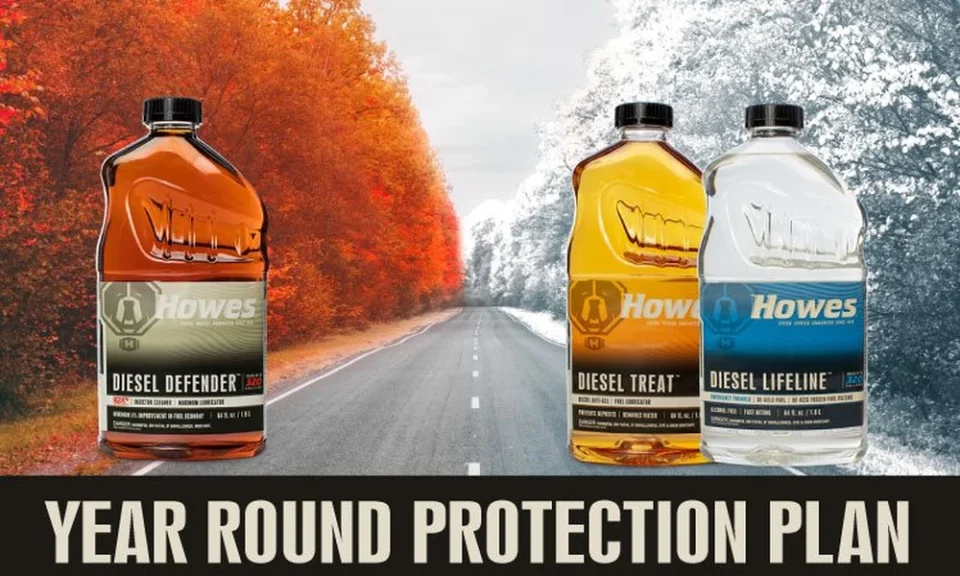
- Diesel Defender is their fuel lubricator and injector cleaner. They say it delivers up to 2.5 times more lubricity than most competing products.
- Independent HFRR wear scar testing showed Defender-treated fuel beat both the US 520-micron standard and the stricter European 460-micron standard.
- Its IDX4 detergent cleans existing deposits and helps prevent new ones.
- It is warranty safe for all diesel emission systems.
- Howes guarantees a fuel economy increase of 5 percent or more with regular use.
- It comes in 15 oz, 32 oz, and 64 oz bottles, and you can find it at Walmart.
Howes Diesel Treat is a second option. It adds lubrication to injectors and pumps, prevents gelling, and removes water from your fuel. It is a preventive product, and it will not reverse gelling once that starts.
Because every Howes product is petroleum-based, you can use Defender and Diesel Treat together with no harm from overtreatment. If your truck has an unknown history, they also make Meaner Power Kleaner, a one-tank deep clean for baked-on injector deposits.
Howes backs their products with a 100 percent satisfaction guarantee. You can mail in your original receipt for a full refund if you are not satisfied.
How to Get Started
1. Check your engine against the seven signs above.
2. Pick one product and read the label for your dose.
3. Add the product to your tank at each fill-up.
4. Track your fuel economy and idle quality for a few weeks.
5. See a mechanic if a sign stays, since an additive protects parts but cannot replace broken ones.
Your fuel system is one of the costliest parts of your engine. A small step at the pump protects it for the miles ahead.
