
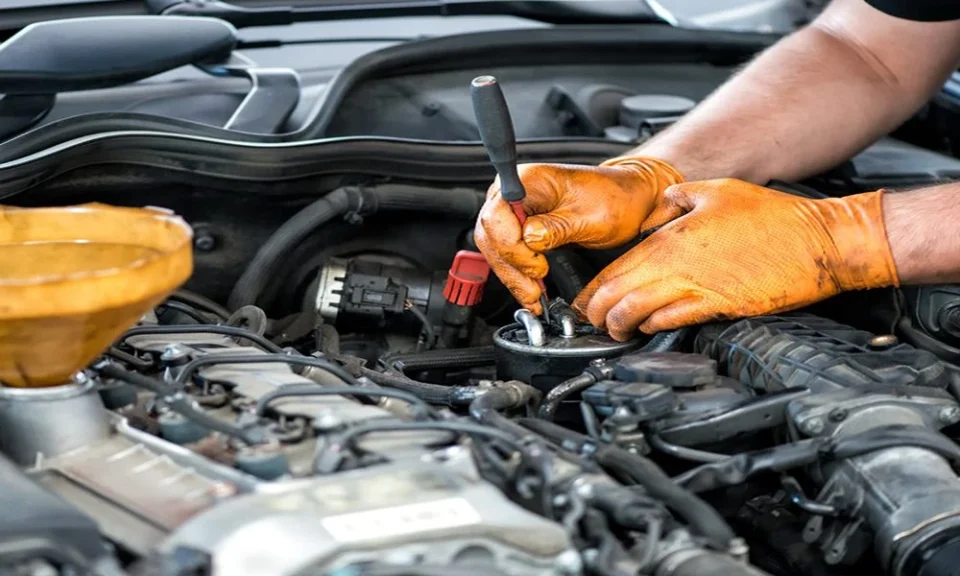
Engine repair covers a wider range of interventions than the term suggests to most drivers. At one end of the scale, it describes straightforward component replacements: a failed alternator, a cracked hose, a faulty sensor. At the other end, it encompasses full engine rebuilds following severe internal damage. Understanding where on this spectrum a vehicle’s symptoms fall is the first and most important step in managing engine problems effectively.
Common Engine Problems in Singapore
Singapore’s driving conditions and climate create a specific profile of engine problems that experienced workshops see regularly.
Overheating is among the most common and most consequential. Singapore’s ambient temperatures mean that cooling systems operate with less thermal headroom than they would in a temperate climate. A cooling system that is marginally adequate in moderate weather may fail under the sustained thermal load of slow urban traffic in Singapore’s heat. Overheating damage to cylinder head gaskets, cylinder heads, and in severe cases to the block itself, can escalate from a fixable minor issue to expensive major repair within a short period of continued driving.
Oil-related damage from infrequent oil changes, oil leaks, or oil consumption issues is another significant category. Engine oil degrades over time and use, losing its viscosity and additive protection. In Singapore’s heat, this degradation is accelerated. Engines running on degraded oil develop accelerated wear on bearings, cam followers, and valve train components.
Timing chain and belt failures cause sudden and often catastrophic engine damage in interference-design engines where the pistons and valves occupy the same space when the timing system fails. In Singapore’s stop-start traffic, timing chains run more cycles per kilometre driven than they would on open roads, increasing the importance of following the manufacturer’s replacement intervals.
Carbon build-up on direct-injection engines is a growing issue as more modern vehicles with GDI or TGDI systems enter Singapore’s vehicle population. Unlike port-injected engines where fuel washes the intake valves clean, direct injection delivers fuel after the intake valves, allowing carbon deposits from crankcase vapour to accumulate and eventually restrict airflow.
The Diagnostic Process
Engine repair in Singapore begins with accurate diagnosis rather than assumed fault identification. Modern engines are monitored by extensive sensor arrays, and the fault codes stored in the engine control unit provide a starting point, but fault codes indicate a symptom rather than necessarily the root cause.
A thorough engine diagnosis typically involves reading stored and pending fault codes, checking live sensor data against expected values, conducting compression tests to assess the mechanical condition of cylinders, and in some cases performing leak-down tests or visual inspection of internal components via borescope.
Repair vs. Rebuild
Once a diagnosis is established, the repair path depends on the scope and nature of the damage. As Singapore’s Automobile Association has noted, “Understanding whether a problem requires a targeted component repair or a broader mechanical intervention is the most cost-consequential decision in the repair process.” This is where workshop expertise matters most.
- Component-level repair addresses specific identified failures: replacing a failed injector, repairing a cooling system leak, replacing a damaged sensor or actuator.
- Partial overhaul addresses damage to a specific system: rebuilding the cylinder head after gasket failure, for example, without requiring a full engine strip.
- Full engine rebuild is warranted for engines with widespread internal wear or damage: scored cylinder bores, worn bearings throughout, damaged crankshaft journals.
Preventive Maintenance
The most cost-effective engine repair strategy in Singapore is one that minimises the frequency of significant repairs through disciplined preventive maintenance. Oil changes at or before manufacturer-specified intervals, coolant system maintenance including thermostat and hose replacement at appropriate intervals, timing belt or chain replacement according to schedule, and prompt attention to any warning lights or unusual symptoms all directly reduce the probability of major engine damage.
Why Workshop Selection Matters
Professional engine repair services in Singapore from a specialist with experience across the specific engine types in your vehicle makes a significant difference to both the accuracy of diagnosis and the quality of repair. Engine repair performed without the right diagnostic equipment, without access to accurate technical data for the specific engine, or without experience with that engine’s known failure patterns tends to produce repairs that address the symptom rather than the cause. The investment in a competent specialist is repaid through repairs that solve the problem durably rather than providing temporary resolution.
