
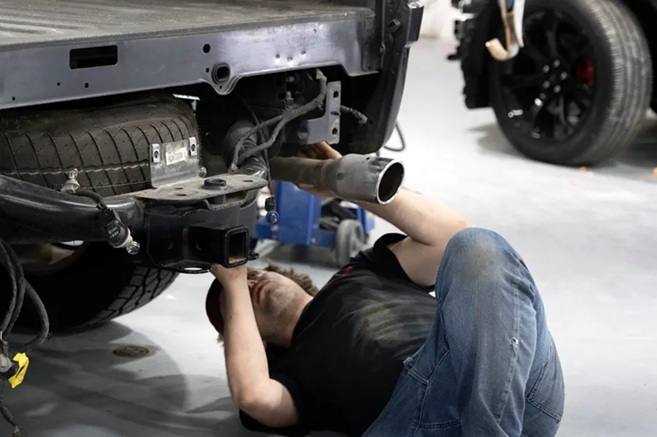
Modern vehicles demand precise sensing. Parking sensors support safe maneuvering. Correct placement improves detection coverage. Different car models vary widely. Body shapes influence sensor performance. Bumper design affects signal travel. Professional planning ensures balanced coverage. Engineers study vehicle geometry closely. Accurate placement reduces blind areas. Manufacturers follow strict guidelines. Workshops refine factory standards further. Lincoln Repair, the right Auto Repair in Bismark, ND based company, studies placement accuracy. Sensor positioning impacts driver confidence. Proper alignment supports consistent alerts. Advanced vehicles require tailored layouts. Urban driving demands full coverage. Parking environments remain unpredictable. Optimized placement improves safety outcomes. Professional insight guides best results. Vehicle safety begins with planning.
Vehicle Design and Placement Strategy
Car models feature unique structures. Sedan bumpers differ greatly. SUV profiles require wider coverage. Compact cars need precise spacing. Sensor height affects detection zones. Ground clearance changes signal angles. Engineers analyze body contours carefully. Placement strategy adapts accordingly. Balanced spacing prevents gaps. Edge coverage protects corners. Professional evaluation ensures uniform detection. Lincoln Repair reviews model specifications. Factory points guide initial layout. Adjustments refine real performance. Aerodynamic curves affect reflections. Material thickness influences signals. Design harmony supports accuracy. Vehicle specific planning remains essential. Proper strategy ensures full coverage.
Front and Rear Sensor Considerations
Front sensors manage close obstacles. Rear sensors assist reversing safety. Placement differs by vehicle length. Long vehicles require extended range. Short vehicles need sensitive positioning. Front grilles affect sensor visibility. Rear bumpers vary by style. Technicians assess clearance zones. Balanced front rear alignment matters. Coverage overlap avoids blind spots. Professional checks ensure symmetry. Lincoln Repair inspects sensor angles. Proper spacing supports smooth alerts. Height consistency improves detection reliability. Rear loading designs influence placement. Tailgate shapes affect coverage. Correct positioning enhances driver trust. Both ends demand careful planning.
Installation Precision and Calibration
Accurate installation ensures performance. Minor shifts alter detection zones. Drilling accuracy affects alignment. Mounting depth influences sensitivity. Professional tools ensure precision. Calibration follows installation steps. Software tuning matches hardware placement. Test procedures validate coverage. Lincoln Repair applies strict standards. Each sensor receives verification. Consistent depth supports uniform response. Alignment checks prevent overlap errors. Calibration adapts model differences. Environmental factors receive consideration. Temperature affects materials slightly. Precision work sustains accuracy. Proper installation defines effectiveness. Calibration finalizes optimization.
Maintenance and Model Specific Adjustments
Long term accuracy needs maintenance. Road conditions cause wear. Minor impacts shift sensors. Regular inspection prevents drift. Model specific checks remain important. Luxury models require finer tuning. Economy models need durability focus. Professional service maintains placement integrity. Lincoln Repair provides expert adjustments. Cleaning preserves signal clarity. Paint repairs affect sensor faces. Recalibration restores balance. Replacement parts must match models. Improper parts reduce coverage. Preventive care sustains performance. Scheduled checks protect investment. Maintenance supports optimized coverage.
Conclusion
Parking sensor placement defines safety quality. Different models demand unique strategies. Professional insight ensures optimal coverage. Lincoln Repair delivers expert solutions. Accurate placement protects vehicles daily.
