
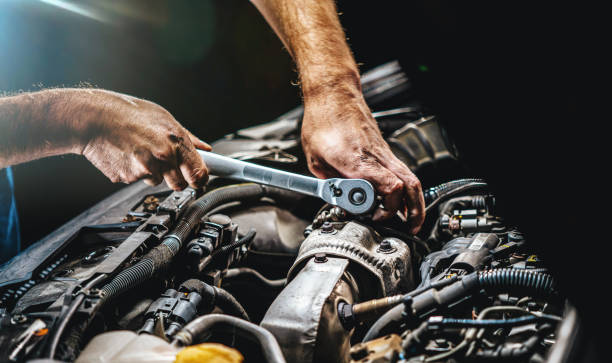
On GM 2.4 and 3.6 engines, the oil cooler frequently sits buried inside the valley or bolted against the block, accompanied by multiple seals. What starts as a minor seep frequently evolves into timing chain stretch, depressed oil pressure, drivability issues, and in harsh cases, engine failure. This article breaks down the reason it happens, what technicians expect during Auto Repair in Wyoming, MN.
Where the Oil Cooler Sits — and Why It Leaks
The cooler channels the hot pressurized engine lubricant through a passage network to maintain a stable temperature.
The system usually fails at:
• The refrigerator body is breaking from thermal expansion
• Internal seal deterioration
• O-ring decrease or hardening
• Plastic housings warping
When the refrigerator leaks oil, the leak is usually slow and troublesome to spot because it runs unhappily through the engine and evaporates off hot surfaces. Owners first notice low oil levels between oil change pauses—not puddles on their driveway.
Why a Small Leak Turns Into a Big Timing Problem
At first glance, lubricating cooler leaks seems like a minor annoyance. But GM timing methods rely heavily on resistant oil pressure. Both 2.4 and 3.6 engines use hydraulic tensioners and variable valve timing (VVT) actuators that depend on clean, constant pressure to maintain chain adjustment.
Here’s how the chain change unfolds:
1. Oil slowly escapes, dropping the method pressure.
2. The tensioner can no longer assert proper slack control.
3. The chain starts to stretch and rattle.
4. The VVT system misaligns, boosting or retarding cam organization erroneously.
5. The appliance computer detects mismatched cam/crank equating and sets timing codes.
If leak-accompanying pressure loss is ignored, technicians someday see:
• P0016, P0017 equivalence codes
• Cold start chain rattle
• Power deficit and hesitation
• Excessive chain wear
• Rough idle and misfires
Once organize components wear extravagantly, the repair cost jumps exponentially—from a few seals to an entire timing kit substitute or complete engine exchange by experts like Lenfer Automotive.
Why This Problem Is Worse on GM 2.4 and 3.6 Engines
These engines run hot and use relatively thin oil to support new efficiency demands. Heat cycling accelerates seal decrease and gasket breakdown. Add long lubricant change intervals, and the within passages see sludge, varnish development, and delayed pressure response.
What Mechanics See Most Often in the Shop
Technicians commonly report:
- Low oil with no apparent external leak
- Oil buffeted onto the alternator or transmission case
- Sludge in the valley is familiar with the cooler
- Metal bit in oil samples
- VVT uncertainty on scan tool live dossier
- Chain stretches beyond wear limits
Many vehicles also arrive late, already exhibiting clattering timing and drivability illnesses.
Conclusion
Car holders, technicians like Lenfer Automotive, and fleet operators the one treat early leaks seriously, often preventing catastrophic organize damage. Catching oil cooler seepage early isn’t just maintenance—it’s engine security.
